Publicado el Deja un comentario

Am I an Alcoholic? 20 Question Self-Assessment

Compared to those in other subtypes, they are less likely to hold full-time jobs and more likely to divorce. They are also more likely to smoke cigarettes and develop addictions to substances like marijuana, cocaine and opioids. However, these individuals are much more likely to seek help for alcohol abuse and addiction. A 2021 national survey recorded that 28.6 million people over the age of 18 and 894,000 adolescents aged 12 to 17 were diagnosed with AUD. In addition, the CDC has reported that one out of every six adults engages in binge drinking. In 2020, 50% of people over the age of 12 consumed alcohol in a one-month period.

  1. Drinking is a problem if it causes trouble in your relationships, in school, in social activities, or in how you think and feel.
  2. Genetic, psychological, social and environmental factors can impact how drinking alcohol affects your body and behavior.
  3. Because it is not yet known whether any amount of alcohol is safe for a developing baby, women who are pregnant or may become pregnant should not drink.
  4. Once you’ve acknowledged the need for change and successfully go through detox, treatment is typically the next path toward sobriety.
  5. When you call our team, you will speak to a Recovery Advocate who will answer any questions and perform a pre-assessment to determine your eligibility for treatment.

In the United States, a standard drink consists of 0.6 ounces of pure alcohol. We become more aware of why and how much we drink and our behaviors as they relate to alcohol. Mindful drinking involves paying closer attention to why, where, when, and what we sip. There’s a lot you may not know about how to maintain sobriety during the holidays this popular substance that’s found in some of your favorite cocktails, liquors, beers, and wines. We’ll fill you in on 30 facts and five myths about this often-celebratory substance consumed in many cultures around the world. Sometimes, alcoholics consume too much alcohol that they black out.

Are Medications Used in Treatment?

They can research alcoholism to understand the underpinnings of the disorder, the signs of an overdose, and other important information. They can discuss co-occurring mental illnesses such as anxiety and depression. They can seek help from peer support groups and mental health professionals as well. Relapses are very common, especially in the first year of sobriety. Slips can be fueled by withdrawal symptoms, mental health challenges, and drug-related cues, such as spending time with old drinking partners or visiting old drinking locations.

Anyone struggling with alcohol abuse can benefit from some level of substance abuse treatment program. Regardless of your level of alcohol abuse, enlisting the aid of medical and mental health professionals can make your journey to a life without alcohol easier. Loved ones are an integral part of the addiction recovery process, but they need to balance their own needs in addition to providing support. To do that, they can set boundaries around their emotional, physical, and financial relationship, for example that the house will remain an alcohol-free zone.

A score of eight or above indicates risk for hazardous and harmful drinking—and the higher the score, the greater the potential danger. It’s important to remember, though, that a single number can’t tell the whole story. A person’s gender, age, weight, and metabolism all play a role in how well the body handles alcohol. Cultural norms surrounding drinking must be considered as well. Even so, the AUDIT scale has been used worldwide to study and treat alcohol use disorders, and it is correct far more often than not.

What Qualifies Someone as an Alcoholic?

If your provider suspects that you have a problem with alcohol, you may be referred to a mental health provider. Americans drink less beer and more wine than they used to, according to the NIAAA. Since 1970, the peak year for beer consumption was 1981, when the typical American age 21 or older drank 36.7 gallons.

One that most of my clients continue to make when they start to question their relationship with alcohol. The line between a «normal drinker» and a «problem drinker» is like one drawn in the sand—hard to grasp, almost invisible. The frequent searches for «alcoholism definition» on Google reflect our collective search for clarity. However, we may wake up feeling groggy after drinking the previous night.

Types of Professionals Involved in Care

People may turn to alcohol as a way to cope with trauma or other, often unrecognized psychological disorders. Socially, alcoholism may be tied to family dysfunction or a culture of drinking. Alcohol use disorder is a problematic pattern of alcohol use that leads to distress in one’s daily life, according to the DSM-5. Experiencing at least two symptoms throughout the course of a year merits a diagnosis, from mild to moderate to severe. Caring for a person who has problems with alcohol can be very stressful. It is important that as you try to help your loved one, you find a way to take care of yourself as well.

Is There a Safe Level of Drinking?

We are an in-network provider with many major insurance companies, including BCBS/Florida Blue, Cigna, Aetna and others. Studies show that the best way to help someone with a substance use problem is to intervene before it worsens.14 To do that, you first need what is sober living? to learn as much as you can about alcoholism. If you know them personally, you can easily identify these behavioral signs. Fast forward to today, into my fifth year as a therapist and a sober curiosity guide, I see how I had made a crucial mistake back then.

Per-capita alcohol consumption appears to be highest in the West and lowest in the South, based on the NIAAA data. On the state level, it appears to be highest in New Hampshire and Delaware, and lowest in Utah. Per-capita alcohol consumption peaked in the early 1980s at 3.28 gallons, or almost 700 drinks.

They’ll likely ask you a series of questions about your relationship with alcohol and perform a physical exam. However, many people find that alcohol use disorder is something they can successfully treat over their lifetime. Alcohol use disorder can be successfully treated with the right plan and support. But due to factors like stigma and misunderstanding, people can still have plenty of questions. Research shows that most people who have alcohol problems are able to reduce their drinking or quit entirely. It is important to remember that not all people will respond to medications, but for a subset of individuals, they can be an important tool in overcoming alcohol dependence.

Once you’ve acknowledged the need for change and successfully go through detox, treatment is typically the next path toward sobriety. People who have previously experienced severe withdrawal may be at risk for going through it again. For those at risk of a severe or complicated withdrawal, medical supervision can provide a safe alcoholic narcissist: how the two conditions are related and more comfortable withdrawal process. These types of people have colloquially been referred to as “functioning alcoholics,” which often implies that they can still fulfil career and social obligations while intoxicated. In fact, friends may jokingly approve of their high tolerance for alcohol during social situations.

Around half of the people in this subtype develop major depressive disorder at some point, while around one-fourth develop bipolar disorder. They are also more likely to smoke cigarettes and develop addictions to marijuana and cocaine. Compared to other subtypes, these individuals are the most likely to have full-time jobs. Compared to other subtypes, they have the highest likelihood of co-occurring mental health disorders like depression and bipolar disorder. They also tend to have more antisocial behaviors than those in other subtypes. However, these individuals are more likely to seek help for alcohol abuse.

What Is Alcohol Tolerance?

Alcohol consumption was also linked to a greater risk for stroke, coronary disease, heart failure, and fatally high blood pressure. However, it’s difficult to discern if drinking was the primary problem, or whether lifestyle choices such as diet and exercise influenced health outcomes as well. Three medications are currently approved in the United States to help people stop or reduce their drinking and prevent relapse. They are prescribed by a primary care physician or other health professional and may be used alone or in combination with counseling.

Publicado el Deja un comentario

Signs & Symptoms of A Dry Drunk

The truth is, everyone faces difficult emotions and creates coping mechanisms to manage them. Some of these coping mechanisms are helpful, while others, like substance use, are destructive. Zinnia Health provides specialized Drug & Alcohol Rehab Centers, ensuring each individual receives the comprehensive care they deserve.

Instead those years were devoid of dealing with life on life’s terms due to the alcoholic addiction. 6) Jealous of others for their stick-to-itiveness, perseverance and strength. Resenting the family member or friend for their dreams and punishing them by not being supportive, questioning their ability and striving to clip their wings of creativity. As habitual as a migration of birds, clients have come to me thrilled that their loved one has stopped drinking, yet report that the partnership is as brittle as tinder and inexplicably worse than before. Confusion abounds as both have desired sobriety and yet now that it is here, wonder why the relationship seems to be on rockier ground than when the alcoholic was drinking.

What are the Signs and Symptoms of Dry Drunk Syndrome?

As with most mental health challenges, chronic stress or unexpected life events can worsen dry drunk symptoms. If you are sober and feeling fulfilled and happy, preventing dry drunk syndrome involves continuing to engage in a daily routine of recovery. Typically when someone enters into treatment or begins recovery from alcoholism, they have one goal in mind, and that is to quit drinking. While remaining sober is the number one goal of most recovery programs it is only the first step in the process or truly recovering and healing the damage of alcoholism. Recognizing when someone is a “dry drunk” or dealing with dry drunk syndrome is important for real long-term recovery.

If someone you know is exhibiting the symptoms of dry drunk syndrome, encourage them to continue treatment. Dry drunk syndrome can sometimes make those in recovery feel like they failed, and these feelings may cause them to slow their treatment efforts or even quit altogether. If you have quit drinking but are still struggling with the negative and destructive attitudes and feelings you had during active addiction, you may be dealing with what’s called dry drunk syndrome.

Dry Drunk Syndrome: What it is and How to Deal with It

However, there can be very real concerns with relapse and how to help them manage their newfound sobriety. Attending a support group or 12-step program, such as sober alcoholic Alcoholics Anonymous, can help as well. Having a sponsor, connecting with others in recovery, and being held accountable also help with stability in sobriety.

  • Still, there are things you can do to manage these symptoms and minimize their impact on your life.
  • These behaviors and emotional concerns can strain your relationships and interactions with others, especially if alcohol use has already had a negative impact on your relationships.
  • This approach not only addresses the physical dependency on alcohol but also delves deep into the psychological and emotional aspects of addiction.
  • The road to sustained recovery is often bumpy, and one issue that may arise is known dry drunk syndrome.

Those struggling from the condition are seen as primary catalysts in strained relationships in households all over the country because of the effects that alcoholism bears on the emotional level. However, looking deeper into the syndrome itself is crucial for treatment centers, former drunks, and supporting families because it sheds light on the emotional baggage that led an addict to alcohol. Getting professional help to tackle these issues head on is the best way to help prevent an alcohol relapse.

Publicado el Deja un comentario

6 Ways To Avoid The Habit Of Drinking After Work

Another option is to get a bit mischievous and dabble in CBD sparkling waters that are free of psychoactive ingredients or indulge in a wide variety of sophisticated non-alcoholic liquors like alternative whiskey, rum or gin. You’ll even find some pre-made non-alcoholic “cocktails” on the market with complex flavors to challenge your palate. Recognizing and admitting that post-work drinking might be a problem is a brave first step. Seeking professional help is often the most effective way to address these challenges.

  1. When served, the Martini should be slightly cloudy, indicating that it has been properly shaken.
  2. Cherry-picking employees to fraternize with could undoubtedly create tension and an undesirable workplace environment.
  3. A source also said Robach was simply “tired” the day she was accused of being drunk at work.
  4. Alcoholic employees are prone not only to the psychological effect of alcohol that includes anxiety and depression but also to serious physical health problems.
  5. For the purposes of this article, I’ll assume we’re talking about a sticky habit you’d like to change and not alcohol use disorder.
  6. Framing sobriety as a temporary challenge versus a permanent lifestyle change can make it easier to stay sober for the long haul.

This means that you will need to drink more alcohol over time to get the same relaxing feelings you had in the past. Alcohol dependence is the result of this because stress does not go away with alcohol, it could pile up. So instead of dealing with what is stressing you out, you use alcohol to give you a short-term relaxation feeling. Going out with co-workers after work doesn’t have to necessarily involve drinking. You can suggest some sober activities to HR that are fun and don’t necessarily involve drinking or drugs.

Alcohol and Sleep

Drinking or using drugs at work can cost you your job, but it doesn’t stop people from doing it. In a national survey, 15% of employed Americans said they work under the influence of alcohol and that their drinking impairs their work. In another survey, 63% of employees admitted that it was easy to bring booze to work, drink during the workday, or get alcohol at work. In fact, positive drug tests among workers have doubled in recent years. Stress and substance abuse, such as alcohol, can be common in people who do not have effective ways to manage their stress. Despite the relaxing effects you think alcohol may have, it is a depressant.

But when one glass turns into two or three, it could lead to problems. Health is essential and everyone should recognize it as a top priority. Excessive drinking isn’t a reward — it’s a punishment for the body. Many of the potentially far-reaching effects of after-work drinking may not immediately come to mind to those who imbibe, but there are unwanted situations that can arise.

Tips To Avoid The Urge To Drink Alcohol To Cope With Stress

And among younger generations particularly, there’s more willingness to experiment with cutting down alcohol consumption and trying sobriety, in their personal and professional lives. In a survey of 4,000 UK students by Bright Network, a graduate careers and employment specialist, 45% of respondents said alcohol shouldn’t play a role in work social activities. They’re also 2.5 times more likely to have inpatient alcohol rehab anddetox treatment centers near me alcohol subsidised at work social events than in the public sector (23% vs 9%). One might assume that perhaps a light beer is the best way to end a long day in the office but in fact, it was found that over 1 in 10 workers say they drink shots during afterwork drinks. This may be why 14% of respondents admitted that, on at least one occasion, they’ve acted inappropriately during afterwork drinks.

Negative image for the company

If your boss suspects you might be drunk or high at work, they can ask you about your alcohol and drug use or have you take a drug test. Whether you’re trying to quit drinking entirely or just sober living insurance coverage and payment options cut back, these simple tips will help you achieve your goal. If you or a loved one are struggling with substance abuse, and you have been putting it off please contact Coastal Detox today.

Call Grace Counseling’s Alcohol Addiction Treatment in Texas Now

My next company installed an actual bar—complete with a huge vintage mirror and stocked mostly with Jägermeister—inside the office. If you decide to drink alcohol and don’t want to drink too much, pace yourself by having a soft drink or two after every alcoholic drink. If you’re starting drinking earlier in the day try sticking to soft drinks for the first couple of hours before you start on the alcohol. “Just get a sparkling water, put a lime in it, and have fun,” he says. Relying on alcohol to mask the stressful feeling you have after work could cause you to drink more alcohol.

Trends show Americans, for instance, are drinking less than they used to, with the average number of drinks consumed falling from 4.8 in 2009 to 3.6 in 2021, per Gallup data. According to UK data published by the NHS in 2022, there has been a gradual decrease in people’s maximum daily alcohol consumption. The proportion of adults who drank more than three units (women) or four units (men) on any day in the last week fell from 37% in 2009 to sober living houses 30% in 2019. It’s often a relief to knock back a drink or two after a long day at work, and as an added incentive, happy hour is usually from 4–6 p.m., coinciding perfectly with the end of the workday. After work drinks are the perfect excuse to celebrate the end of a successful project or the start of a big one. But sometimes, one drink leads to two or three, and before you know it, you’ve bought a couple rounds for the entire office.

Why Gen Z are drinking less

Depending on what your alcohol habit was like, you may experience fewer or more withdrawal symptoms as you cut back. Fortunately, these withdrawal symptoms shouldn’t last very long — about a week — but listen to your body in case something feels abnormal during this time. Try to stay focused on your end goal, and call your doctor if something doesn’t feel right. Grabbing beers after work with colleagues can be a great way to bond and decompress.

He’s intrigued to see what happens when young people who don’t drink move towards leadership positions, especially in sectors where boozing has been a core part of the culture. “Without anyone changing the rules, or making any bold statement, just with social pressure, I think we’ll see a greater shift away from alcohol-centred activities,” he says. While having drinks with coworkers and employees may seem like a harmless bonding activity, things can quickly take a turn for the worse. Companies should instead suggest activities that encourage camaraderie among coworkers, leading to a healthier and stronger bonding experience and lessening the risk of repercussions brought on by after-work drinks.

What starts as a drink or two after work every day becomes a routine and addiction. Drinking during work hours or work-related events requires a careful approach. While some workplaces may have a culture of casual drinking, it’s important to remain professional and aware of your limits. Overindulgence can lead to inappropriate behavior and impaired judgment, tarnishing your professional reputation. If you find yourself regularly drinking to get through the workday, it might be time to reassess your relationship with alcohol and seek support if necessary. As the leading provider of treatment resources and everything related to alcohol abuse and rehabilitation, Alcohol.org surveyed 3,000 workers asking how often they go out for afterwork drinks and what their average spend is.

De-emphasizing happy hour in favor of other ventures can prove to be beneficial to all involved. Arielle Castillo, a content producer for a soccer club based in Manchester, England, told me the constant drinking and party atmosphere at a former workplace became so relentless and exhausting that she found another job. “It can be really hard to draw boundaries in that environment,” she said, especially when networking and seeming like “one of the guys” centers on alcohol-fueled events.

California health officials shorten COVID isolation guidance as infections peak

When drinking is deeply embedded in a company’s culture, it can become a crutch and a substitute for the very kind of connection that managers hope to foster when they organize happy hours. Carmen Bush, an employee at a tech company in the Bay Area, said her company’s weekly “TGIF” party starts at 4 p.m. “My co-workers would grab six [bottles] and stake out a table and we would all just hunker down and start pounding it,” she says. Drinking with colleagues and bosses that is a familiar part of workplace culture.

Questioned about my decision or asked point-blank if I’m an alcoholic? Federal laws protect people who are in recovery for substance abuse and no longer use illegal drugs. Employers cannot discriminate against you for your past drug or alcohol use.

Holmes made this admission as the former “GMA3” hosts discussed their history of alcohol use, which both admitted had become quite “heavy” — per standard health guidelines — over the past decade or so. Podcast” episode, “On the Rocks,” was for each to share their efforts to stop drinking during Dry January, as Holmes admitted that he was trying to “re-examine” his relationship with alcohol. Hot Toddy is a warm and soothing cocktail that is perfect for a cozy drink on a cold winter night. Made with warm water, lemon, honey, and whiskey, it can also be served up as a mocktail for those who prefer not to consume alcohol. The French Connection Cocktail is a classic and simple amaretto cocktail that is perfect for after-work drinks.

Publicado el Deja un comentario

A closer look at alcohol’s effect on heart health

Investigators have used a variety of noninvasive tests to evaluate the acute effects of alcohol consumption on myocardial function and hemodynamics in healthy humans. As with isolated animal heart experiments, some investigators have found that acute alcohol exposure (blood alcohol levels 40 to 110 mg%) depresses myocardial systolic function in humans (Delgado et al. 1975; Lang et al. 1985; Timmis et al. 1975). For example, in one study, the ejection fraction decreased by 4 percent after alcohol consumption (Delgado et al. 1975). Most likely, the decrease in contractility was offset by corresponding decreases in afterload (end-systolic wall stress), systemic vascular resistance, and aortic peak pressure, which maintained cardiac output. Some investigators have suggested that drinking wine may offer more protection against CV disease because it contains polyphenols, such as resveratrol and flavonoids, which are micronutrients with antioxidant activity (Tangney and Rasmussen 2013).

  1. Moreover, excessive alcohol consumption is related to a higher risk of injuries and deaths by traffic accidents, suicide, marital violence, or child abuse, among others [12].
  2. This is because the body breaks alcohol down into triglycerides that can increase levels of LDL, or bad, cholesterol.
  3. Some studies have shown an association between moderate alcohol intake and a lower risk of dying from heart disease.
  4. Consistent with earlier studies, the light and moderate drinkers had the lowest heart disease risk (even better than people who abstained from drinking).
  5. If you’re not sure, make a note to tune into how much you’re having over the course of the next month or so.

This is because the body breaks alcohol down into triglycerides that can increase levels of LDL, or bad, cholesterol. Binge drinking can increase a person’s risk of blood clots, stroke, and heart failure. The AHA add that although some antioxidants and flavonoids present in wine may have the potential to reduce heart disease risk, these compounds are also present in other products, such as red grape intermittent explosive disorder symptoms and causes juice, blueberries, and grapes. If you do plan to drink, check with your doctor first, and drink in moderation — (one glass of wine or beer a day for women, two for men). Some people, especially pregnant women, and those who take certain medicines regularly, should avoid alcohol entirely. If you’re concerned about your cholesterol levels or alcohol intake, talk with a healthcare professional.

Alcohol: Is It Really a Healthy Habit for Your Heart?

The National Heart, Lung, and Blood Institute includes “limit alcohol” on their list of recommendations for lowering LDL cholesterol levels. We don’t recommend drinking alcohol to improve your health, as you will improve your health more by eating well and being active. Ultimately, the AHA does not recommend you start adding wine or alcohol — even in moderation — to your daily diet for better health. But this isn’t a reason to start drinking red wine if you don’t already since the same polyphenols in red wine are found in nutritious foods like grapes. Dr. Cho also warns that if you have liver dysfunction or take other medicines that are processed through the liver, your risks might be different.

How is drinking linked to diabetes?

Factors such as the level of education, race, ethnicity, and gender, as well as economic disparities and populations with marginalization and vulnerability can induce greater negative alcohol-related consequences [12,13]. For example, it seems that the higher the education level, the lower the presence of excessive drinking [12]. The effect of alcoholic beverages on the lipid profile is attributed to their alcohol content. This was shown in a randomized, cross-over, clinical trial comparing the effects of moderate alcohol consumption (30 g/d) as gin or RW and their polyphenolic content and DRW on serum lipids of 73 male subjects at high risk of CVD. The mean adjusted LDL-C decreased 4.5% from baseline after RW and gin consumption, while HDL-C increased 7%from baseline during RW intake and 5% during gin intake compared with DRW. Maintaining a healthy diet and lifestyle — which includes limiting alcohol, keeping a moderate body weight, staying active, and following a nutritious diet — promotes healthy cholesterol levels and reduces your risk of heart disease and other conditions.

Risks associated with alcohol and cholesterol

In contrast to control mice, the IGF-1–expressing animals exhibited no evidence of changes in expression of antioxidant enzymes (i.e., superoxide dismutase-1) or any decreases in contractile function after 16 weeks of ethanol consumption. The findings suggest a protective effect of overexpression of IGF-1 in the transgenic animals (Zhang et al. 2014). Pathophysiologic schema for the development of alcoholic cardiomyopathy (ACM).

According to the AHA, binge drinking means males consuming five or more drinks in 2 hours and females consuming four or more drinks in 2 hours. The AHA do not recommend drinking wine or any other form of alcohol to gain potential health benefits. Instead, consider it more of a boundary on any given day when you might choose to have an alcoholic beverage. The more you drink, the more your levels of cholesterol and triglycerides rise.

But there are ways that alcohol affects your body over time that are important to understand. One of the long-term effects of alcohol on your heart is alcoholic cardiomyopathy. This is when your heart-pumping function gets weaker and your heart gets larger due to changes from heavy alcohol use over a long period of time. This cholesterol and lipids at-home lab test is similar to a standard lipid panel. Biomarkers measured include total cholesterol, calculated LDL, HDL, and triglycerides.

The latter is the most frequently used measure, as stated by the World Health Organization (WHO) [3,4]. A healthy diet, regular exercise and sometimes medication can help reduce high cholesterol. Adults should get their cholesterol levels checked by what causes alcohol addiction a doctor every few years. Anyone who is worried about their drinking habits should also speak with a doctor. For instance, take the claims that alcohol may increase your “good” cholesterol, more officially known as high-density lipoprotein (HDL).

Is Beer Bad for Cholesterol?

Different drinks contain different amounts of alcohol, as some are stronger than others. For example, a 175ml glass of wine can contain anywhere between 1.9 and 2.4 units. It can be surprising how many units are in your favourite drinks, and how quickly they add up. If you have high cholesterol or FH, it should be OK to drink alcohol within these limits. There are some health problems and treatments which can mean it’s safer to avoid alcohol all together.

When you drink excessively, your liver focuses on getting rid of the alcohol and becomes less efficient at other tasks—including managing your cholesterol levels. Overall cholesterol above 240 mg/dL and LDL cholesterol at 160 mg/dL or above is considered high. Such levels put people at risk for blood clots, chest pain, heart attack, and stroke. how to stop drinking alcohol without aa or rehab in every case, or could some types of alcohol actually be beneficial? Below, we’ll discuss the facts around cholesterol and alcohol, and how to keep a healthy balance. The amount, though, is unclear, notes the AHA — meaning you may need too much wine to reap benefits — and some health professionals are skeptical of resveratrol’s true cardio-protective nature.

Approximately 1 to 2 drinks per day may have no effect on or lead to a slight reduction in stroke events; however, greater daily alcohol levels increase the risk for all stroke events and incident stroke types. In terms of stroke subtypes, compared with nondrinkers, current alcohol drinkers have an increased risk (~14 percent) for hemorrhagic stroke (Ronksley et al. 2011). As mentioned earlier, it has been suggested that the modulation of oxidative biomarkers could depend on the type of beverage consumed (Table 1). The evidence available at the time of a review by Covas et al. could not suggest that sustained wine consumption provided further antioxidant benefits in healthy individuals, but rather counteracted its own possible pro-oxidative effect. Nonetheless, the antioxidant effect of wine intake could be protective in oxidative stress situations [35]. Daily RW consumption for 21 consecutive days significantly enhanced vascular endothelial function in 20%.

Ultimately, it’s the quantity and frequency of drinking that has the biggest impact on your health—including your cholesterol. When it comes to beer and cholesterol, too much will certainly increase the presence of triglycerides in your body, along with the risk of fatty liver. Beer is high in carbohydrates and, of course, contains alcohol, and both can impact your cholesterol levels. It can improve your heart health and help prevent heart disease in other ways too, by helping to look after your liver, your blood pressure, your weight and your waist line.

Eventually, these deposits grow, making it difficult for enough blood to flow through your arteries. Sometimes, those deposits can break suddenly and form a clot that causes a heart attack or stroke. The AAC list alcohol as a drug that can interact with the body to produce high levels of LDL or triglycerides. Much of the alcohol that flows into your system after tipping back a glass finds its way to your liver for a digestive after-party. Alcohol is broken down in your liver and reconstructed as cholesterol and triglycerides.

«Drinking in moderation increases good cholesterol. Drinking too much increases triglycerides and blood pressure, erasing any benefits.» If you currently drink, stick to moderate consumption — that’s up to one drink per day for women and up to two drinks per day for men. If you currently have high cholesterol, your Westmed Family Healthcare provider may provide individualized recommendations. In various biologic systems, oxidative stress can be measured or inferred by several biologic indexes. In humans, endothelial function is assessed by measuring the widening (i.e., dilation) of the brachial artery under different conditions.

In this article, a bibliographic review was carried out through PubMed, ScienceDirect, and Google Scholar from October 2019 to February 2020. This review is based on the most relevant articles and studies performed in human subjects published no longer than 10 years ago. The keywords used for this search were alcohol consumption, hypertension, diabetes mellitus type 2, dyslipidemia, inflammation, oxidative stress, among others. BP, blood pressure; HDL-c, high-density lipoprotein cholesterol; HTA, hypertension; TG, triglycerides; T2D, type 2 diabetes.

Heavy drinking is consistently tied to negative health outcomes, including high LDL (bad) cholesterol, triglycerides, and blood pressure (7, 8, 9, 10). Other ways to lower your cholesterol include getting regular exercise, eating a healthier diet, and quitting smoking. Of course, if you’re concerned about your cholesterol levels, we also recommend discussing your habits (including your alcohol use) with your doctor.

Publicado el Deja un comentario

What Does Sober Mean? 4 Ways To Explore Sobriety

How much scarier is His work of judgment behind that bench before those criminals who committed those crimes, than it is to those children that are part of his family that he loves? That’s the distinction that’s being made in this passage. It’s never the judgment for our crimes; it’s the loving discipline–Fatherhood-judgment of those who are His children. Well, I love the whole Bible, but sometimes passages just jump out at you. Peter makes it very clear here that a gospel-formed worldview tells us that nobody gets the last word but God; God gets the final word!

What does it mean to be afraid of being sober

You will have good days, hopeless days, and every other sort of in-between day on this journey. If all of your friends abuse alcohol and/or your spouse abuses alcohol, it makes a lot of sense to fear what will happen next. What you’re really afraid of is the unknown and that you may be unable to handle it.

The Meaning of Sobriety

You can expect to sometimes feel afraid, worried, unable to move forward, and downright unwilling to face what’s coming. When you no longer spend your time getting high or drunk, your life will become the exact opposite of boring. Think about how you always go out with the same people and drink or take drugs at the same place (or one of a few local hot spots). There is more time for new sober activities when you get clean. These activities go a long way toward making your life better and happier. Sobriety isn’t the only thing that stops people from getting what they want in life.

So, it’s a call again for the wife to live with a higher agenda than her own personal happiness. It’s an emphasis on the heart versus appearance, that I don’t define myself just by how I look. And we live in an appearance-obsessed culture, and this warning is so good that God doesn’t just look on the outside appearance, He looks on the heart. First of all, she’s meant by God to have heart of willing submission; that God has set up an organizational structure in the family, and He’s called the woman to participate willingly in that structure. If you have to force submission, it means the person is not submitting.

The Truth About Getting Sober

I don’t have to give way to that old way. While this approach may not be suitable for everyone, it can be a stepping stone for those who struggle with lifelong sobriety or face significant barriers to abstinence. I am a passionate beer connoisseur with a deep appreciation for the art and science of brewing. With years of experience tasting and evaluating various beers, I love to share my opinions and insights with others and I am always eager to engage in lively discussions about my favorite beverage. It takes around 6-24 hours for the effects of alcohol to leave your system for good. So, yes, you can call yourself sober when your blood alcohol volume (BAC) level is 0.0%.

It’s not okay to be dishonest with yourself about where you’re headed. American Addiction Centers (AAC) is committed to delivering original, truthful, accurate, unbiased, and medically current information. We strive to create content that is clear, concise, and easy to understand.

Balance Your Life

People may want to feel numb so they can overlook the bad things in their life. That often leads to being unable to see or enjoy the good as well. We hear a lot about practicing mindfulness, not just in the recovery community but in mental health in general. Practicing mindfulness means that you’re focused on the present moment and enjoying it for all that it is, rather than thinking about the past or the future.

  • Sobriety is a personal decision, and you should do what’s best for you, not what other people think is best for you.
  • Again, any fear you may have about sobriety rooted in self-loathing will become a self-fulfilling prophecy.
  • Let’s think about what he’s talking about there.
  • Or you might come up with some responses you might give if someone offers you a drink in a social situation.
  • When you walk through chapter one, and two, and three, and four, and five, and it’s gospel, gospel, gospel, gospel, and you stand back from that, what would you say the gospel is to Peter?
  • For this is why the gospel was preached even to those who are dead, that though judged in the flesh the way people are, they might live in the spirit the way God does.

And then He rises on our behalf, doing what we would never be able to do. He has the power to conquer the power of death. It is an amazing story of God’s grace, this plan to provide for us a substitute. First of all, he says, “You were ransomed from your sin.” God worked to intervene because sin is just that serious. He harnessed the forces of nature; He controlled the events of human history, so at a certain time, His Son would be born. You can’t look at the birth of the Messiah and conclude that sin is just sort of okay.

Gayle is an author, podcast host and sobriety coach

But I want to talk about how this passage ends, very quickly. It says, “‘A stone of stumbling and a rock of offense.’ They stumble because they disobey the word, as they were destined to do.” Those are hard words for some of us to hear. Peter is saying, “It’s never right just to say, fear of being sober ‘I don’t have a chance because God ordained me to not have a chance.’” That’s not what Peter is writing. So, Peter is going to take us in a new direction for the rest of this little letter that we’re looking at. It’s not an overstatement to say that the gospel changes everything.

What does it mean to be afraid of being sober

Publicado el Deja un comentario

Aspire Higher Mens Sober Home in Boston MASH Certified

Not sure who owns these sober homes but they are anything but nice places to live. When you go to take a shower you need to keep all your valuables with you or they wont be yours any longer. My roommate was so banged up every night it was a relief when he finally passed out. They mean well but do not do enough due diligence when letting potential residents in. None of knows who will actually stay sober but with this place as long as you have some dough your good to go as the saying goes.

Sober living homes are a way for you to step back into life once you have the drugs out of your system. They are a stepping stone to creating the life you want to live. The key is using them fully and getting the most sober houses in dorchester ma out of them that you can. For many people, this is what can help to define your long-term success. If you’re looking for assistance on your path to recovery, finding the right starting point can be overwhelming.

Area Transitional Housing Locations

All MASH-certified sober homes follow the National Alliance for Recovery Residences (NARR) standards and have been independently inspected. Through our immersive program sober living developed and honed over 25 years; residents are exposed to the 12 Steps through a wide ranging set of Recovery Methods. Faith House #7 is an all male recovery house located in Dorchester, MA.

sober houses in dorchester ma

They should reject half the applicants as anyone can tell they have no desire to be sober just need a place to crash. Stop looking for the almighty dollar once in awhile and look for some recovery before admitting some of these jerks. When you’re looking for a sober living home in Dorchester, MA, you may have options. The most important thing you can do is get the treatment program that’s right for your needs. Are you a state agency, licensed provider, individual, or family looking for a MASH-certified sober home? Search our directory to find a list of all MASH-certified sober homes.

Sober Living Homes in Milton MA

Faith House #2 is an all male recovery house located in Dorchester, MA. Faith House #1 is an all female recovery house located in Dorchester, MA. We understand that each individual’s journey is unique, which is why we offer personalized support. Our staff are trained professionals who are compassionate and dedicated to your well-being. They are available to provide guidance, support, and encouragement every step of the way.

  • They are a stepping stone to creating the life you want to live.
  • Boston Sober Homes is a M.A.S.H certified sober housing company for those who are serious about their recovery and sobriety.
  • Faith House #2 is an all male recovery house located in Dorchester, MA.
  • Companionship, trust and mutual respect is key to forming  healthy interpersonal relationships and lifestyles in our sober houses.
  • In our home, you will find a structured program designed to help you maintain your sobriety while regaining your independence.

You’ll gain access to the quality of care that’s needed and right for you at any given time. Companionship, trust and mutual respect is key to forming  healthy interpersonal relationships and lifestyles in our sober houses. You’ll share this space with people who are going through the same thing you are. There are onsite house managers to offer direction and to provide support. You’ll need to be able to work with and live with other people.

Sober Homes in Massachusetts

One of the biggest challenges faced by individuals recovering from drug and alcohol addiction is the temptation to return to harmful habits. Brady’s Place has helped thousands of men, women and young adults reclaim their families, lives and dignity using https://ecosoberhouse.com/ the 12 steps of Alcoholics Anonymous. Looking for a sober house in Dorchester, preferably on the Redline. I have been evicted from a house in Dorchester since the landlord needed to move his family in, and needed to rehab the entire house before move in.

Every house has an on-site house manager that helps keep the home clean and drug-free. For some, creating a new life after completing treatment for substance use disorders can be a challenge. What matters the most in healing from addiction is laying the groundwork for a lasting recovery.

At Rockland Recovery, we’re committed to providing compassionate and effective addiction treatment services. In our home, you will find a structured program designed to help you maintain your sobriety while regaining your independence. We offer various resources, including access to counseling, group therapy sessions, and workshops on life skills and relapse prevention. These programs are tailored to help you build the resilience and coping strategies needed to navigate the complexities of life post-addiction. Our clients enjoy spacious rooms and living areas with new furnishings, so their physical needs are met well during their stay. You have the option to choose from single, double, and triple occupancy rooms, depending on your needs and desires.

sober houses in dorchester ma

This property is designed for single, double, or triple occupancy. This home is incredibly well-kept with new furnishings throughout. As a resident of our sober living home in Dorchester, MA, you become part of a community where building strong, lasting relationships centered on sobriety is at the heart of your new lifestyle. These connections offer a network of support that is invaluable for your long-term recovery. You’ll thrive in a structured environment where recovery is seamlessly integrated into your daily routine, reinforcing your commitment to a healthier, substance-free life.

Faith House #5 is an all male recovery house located in Roxbury, MA. Faith House #6 is an all male recovery house located in Dorchester, MA. Faith House #4 is an all male recovery house located in Roxbury, MA. United House for Veterans is an all male recovery house located in Dorchester, MA. Faith House #3 is an all male recovery house located in Dorchester, MA.

  • One of the biggest challenges faced by individuals recovering from drug and alcohol addiction is the temptation to return to harmful habits.
  • Many people should begin their journey with detox followed by inpatient rehab, a partial hospitalization treatment or intensive outpatient treatment.
  • The most important thing you can do is get the treatment program that’s right for your needs.
  • For many people, this is what can help to define your long-term success.
Publicado el Deja un comentario

How alcohol, time and trying to forget trauma can change what we remember PBS NewsHour

You may also find that you experience emotions, fear, anxiety, and stress from the past when your current environment reminds you of past trauma. Evidence that brain CRH and noradrenergic systems modulate each other has been reported. Conversely, stress-induced activation of the locus ceruleus has been blocked by administration of CRH antagonists (63). Similar evidence exists for the interaction of the CRH and noradrenergic systems in the hypothalamus (64) and the amygdala, where stress induces increases in both CRH and norepinephrine (65).

Women may possibly benefit from interventions that focus on difficulties engaging in goal-directed behavior, while men may benefit from interventions that target impulse control difficulties when upset. This study was carried out in eight institutions specialized for the treatment and rehabilitation of drug and alcohol-related problems in the Kathmandu and Lalitpur districts of central Nepal. Seven institutions were rehabilitation centers operating on non-pharmacological methods of care and one was a tertiary hospital. One of the rehabilitation centers exclusively served women, while the remaining centers, accepted only male patients. The hospital would receive patients with acute and chronic physical problems related to heavy drinking, whereas, the rehabilitation centers were often used by self-motivated users or their family to achieve abstinence using nonpharmacological methods.

Alcoholics Resource Center

Once the drugs wear off and you sober up, your PTSD symptoms will come back stronger than ever, leading to a quickly escalating cycle of substance abuse, especially once physical addiction takes hold. Studies show that the relationship between PTSD and alcohol use problems can start with either issue. For example, people with PTSD have more problems with alcohol both before and after they develop PTSD. Also, drinking problems put people at risk for traumatic events that could lead to PTSD. Alcohol use disorders are among the conditions most frequently comorbid with PTSD (Kessler et al., 1995). In one study, approximately two out of five students reported a binge episode (4 or more drinks for women, 5 or more for men) in the past two weeks (O’Malley & Johnston, 2002).

Random prompts were followed by a reminder prompt 15 minutes later and then expired after 30 minutes. Participants could disable prompts when sleeping or when they would otherwise be unsafe or unable to respond (e.g., driving). Each morning and random assessment took ptsd alcohol blackout approximately 2 to 3 minutes to complete. Participants were paid $25 for the baseline assessment and up to $100 per week in the ESM study contingent on performance. AUD and PTSD have shown a consistent comorbidity over many decades and in diverse populations.

Sex Differences among PTSD, Emotion Dysregulation, Alcohol Consumption, and Alcohol-Related Consequences

However, depending on the nature of the trauma, the endorphin response may remain elevated as a biological coping mechanism. The association between AUD and PTSD has been elucidated due to the development of standardized assessments for the ECA using the DSM-III DIS. Assessments that followed have used the foundational structure and question format of the DIS to interview participants. They include the CIDI, AUDADIS, and, recently, the Psychiatric Research Interview for Substance and Mental Disorders. In fact, the DIS has continued to be revised based on the DSM and the International Classification of Diseases, making it one of the most durable standardized diagnostic assessments in the field. Dual diagnosis conditions such as addiction to alcohol and PTSD should be treated together for the greatest chance of recovery from both.

  • The ECA program reported that the lifetime prevalence of DSM-III alcohol abuse and dependence was almost 14%.14 Prevalence varied by location, from about 11% in New Haven and Durham to about 16% in St. Louis.
  • When you use alcohol to deal with PTSD symptoms, you may feel better in the moment, but those feelings always return—often more severely.
  • In addition, the self-initiated morning assessment included assessments of five additional items that may be missed during the random assessments (e.g., risky sex, physical assault).
  • © Copyright 2024 Healthgrades Marketplace, LLC, Patent US Nos. 7,752,060 and 8,719,052.
  • OIF/OEF/OND veterans were recruited from two communities (Tampa Bay area, FL and Vermillion / Sioux Falls, SD).

Participants with more labile affect at baseline exhibited stronger within-person associations between drinking and dependence syndrome symptoms, stronger autocorrelation of dependence symptoms across time, and stronger lagged associations between dependence syndrome symptoms and PTSS. Volatile, high intensity affect can reduce deliberative processing and when paired over time with alcohol, contribute to strong, relatively automatic, response biases characteristic of dependence syndrome (Lieberman, 2007; McCarthy et al., 2010; Wiers et al., 2007). In this regard, autoregressive effects of dependence syndrome symptoms reflect the impaired regulation of alcohol characteristic of alcohol use disorder. Though speculative, the autoregressive parameter may be conceptualized to reflect the latent disorder itself when symptoms are assessed in a time-series rather than as static indicators of the presence of psychopathology as a person-level disorder or trait. In this regard, the autoregressive parameter may quantify the behavioral manifestation of the neuroadaptation underlying addiction (Koob & Volkow, 2010, 2016; Volkow, Koob, & McLellan, 2016). These neural structures are fundamental to emotional regulation and functional differences are linked to lability, trauma exposure, and PTSD (Bruce et al., 2012; Forster, Simons, & Baugh, 2017; Silvers et al., 2016; Simons, Simons, et al., 2016).

Publicado el Deja un comentario

What It Is Like Living in a Sober House: A Complete Guide

That said, verify with your insurance provider whether your plan covers sober homes or not. Ultimately, these homes offer individuals a supportive space to rebuild their lives and work towards a future free from the grip of substance abuse. When you partner with the sober living team at Muse Treatment, you will be comfortable knowing that our sober living homes will be different from a halfway house. Although there will be specific rules you will need to follow as part of sober living life, you will still have access to our treatment team and the medical care you may need as part of your recovery. For those seeking assistance in the Beverly Hills area, consider the benefits of our program located at Beverly Hills drug detox centers.

It is not uncommon for people to mistake a sober house and a rehab or treatment center as the same thing. But, while critical to those seeking sobriety from drug or alcohol abuse, each plays a completely different role in the path to a sober lifestyle. Additionally, most high-quality sober living houses also expect residence to attend recovery support meetings. They may arrange for a 12 step meetings, such as Alcoholics Anonymous or narcotics anonymous meetings, to be held in a common area. In the case of sober houses, a person is not expected to jump right back to their normal routine and life after being in recovery.

Sober living homes vs rehabilitation centers

Most sober living facilities offer a three-month program, but some may offer longer or shorter stays, depending on a person’s recovery progress. In some cases of addiction, medication is involved to help you wean off the drugs and get sober safely. Residential treatment addresses the addiction first, then works with the individual to help them figure out why they turned to drugs in the first place, offering alternatives so they can continue living outside the clinic. A sober home for those who have pledged to work towards sobriety with TSM would be an excellent environment for people who are like-minded to work together and support each other. A TSM sober living home might even help with promoting the movement to increase awareness of The Sinclair Method, and its 78% success rate in treating alcohol use disorder, alcoholism, and gray area drinking. In a well managed sober living home, the home manager watches the residence closely.

Some sober-living homes have a base rate with additional costs for added services. When you’re looking for a sober recovery home, be sure to ask what’s included in the monthly rate and what is extra. Some examples of additional services may include transportation to appointments, recovery coaching, meals and gym memberships. But when considering some of the services offered, make sure they’re services that help support your sobriety.

What is a Sober Living House?

The existence of these rules in halfway houses in New York is not to punish you. Rather, it is to ensure that you maintain your sobriety and abstinence from all the intoxicating substances that you were abusing. The phase one consists of a highly structured 6-month program that can essentially act as an affordable drug rehab alternative. Phase two however, is more along the lines of transitional housing which, offers substantially more freedom while still implementing a variety of standard rules and restrictions. Also like other sober-living environments, halfway houses generally have systems in place to keep residents sober, and drugs tests are usually administered to monitor for any substance use.

Both are important to those recovering from drug or alcohol abuse but play different roles. Each type of facility plays a unique role, with sober living homes being particularly effective for those who are ready to practice living sober in a less structured, yet supportive, community setting. While living in a halfway house, you will be expected to maintain your own responsibility and take care of yourself.

What are the Rules and Regulations of Sober Living Homes?

Living in a recovery residence is a transitional stage, helping a person to go from active substance abuse to living a life of recovery and responsibility. Both require residents to maintain drug free status, both provide a safe place to live, but they are much different in terms of the level of monitoring and treatment that is provided. Perelman School of Medicine defines inpatient rehab as a place where intensive treatment and medical support can be received during the most difficult early stages of the recovery process. Here, patients will receive counseling and therapy, support, medical care and advice that assists them in making better choices and reaching the goals that they set in terms of achieving sobriety and recovery.

Medication-assisted treatment (MAT) may be available, depending on the individual’s needs. Most facilities offer flexible programs that can be customized for each client’s unique situation. Overall, the decision between a rehab center and a sober living environment is yours to make. Both options have the goal of supporting you in your recovery goals and allowing you the opportunity to gain the tools necessary to sustain your sobriety long term. Rehab is perfect for breaking a severe addiction, and it’s not a bad idea to seek medical attention when working through withdrawal symptoms, but a sober living home can be enough to break an addiction if caught early enough. The point of sober living is to emulate normal life but without drugs, and sometimes that’s just what people need in order to get better and move on with their lives.

Sober Living Homes vs. Rehabs

This looks different for everyone, which is why it is so important to understand the differences between sober living (a recovery residence) and rehab (a treatment facility) in order to choose the one that is right for you. The spirit of a sober living home is to create a community where a tenant can live drug-free as long as they need to. Unlike other treatment facilities, sober living facilities have no limit on how long a person can stay at the sober house vs rehab home. These facilities are meant to help people reintegrate into normal living, by helping them remember what it means to be a responsible and accountable human being, while relying on healthier ways to deal with stress. An important consideration that should not be overlooked is the possibility of checking into a sober living facility. For some people, a sober living environment, such as a sober home, may even serve as a rehab alternative.

  • Someone’s family and friends could become a barrier to recovery, or may even trigger relapse.
  • There are a number of other differences between sober houses and recovery centers and one should do thorough research before joining either.
  • Sinclair patients are prescribed naltrexone by their doctor, and they take a 50 mg tablet about one hour before having a single drink.
  • They are also not typically covered by insurance so you will be paying out of pocket to live there.

Another series of studies found that individuals who remained abstinent for less than one year relapsed two-thirds of the time. Those who remained sober for a year or more relapsed less than half the time. And those who abstained for five years remained sober and avoided relapse 85% of the time. In the United States, 60.1% of individuals ages 12 and older use at least one substance (like tobacco, alcohol, or an illicit drug), according to the latest National Survey on Drug Use and Health.

Fun things to do, Sober, in…

This can be contrasted with the messy, chaotic environments many addicts typically become accustomed to living in. The rules of sober homes are integral to ensuring the environment remains conducive to residents’ recovery. Rehabilitation centers, also known as treatment centers, are institutions that provide therapeutic, medical, and holistic treatments that enable you to learn about and tackle your addiction. Sober living homes https://ecosoberhouse.com/ cater to a diverse population, from young adults to older individuals, and can be particularly beneficial for those who may not have a supportive environment to return to post-rehab. Even so, there are certain rules that tend to be common among most of these sober living facilities. You will have to agree to respect all these rules before you move in as well as understand that violating them will lead to negative consequences.

The Sinclair Method, or TSM, is a novel approach to managing alcoholism, or helping anyone who feels that they drink too much alcohol to reduce and work towards quitting drinking. The controversial part of TSM, for some people, is that patients continue to drink during the early part of medical treatment. Recovered is not a medical, healthcare or therapeutic services provider and no medical, psychiatric, psychological or physical treatment or advice is being provided by Recovered. If you are facing a medical emergency or considering suicide or self harm, please call 911 immediately. Being enrolled in a 12-step program whilst residing in a sober living home shows that a resident is steadfast in their commitment to sobriety. These rules are not meant to be punitive but are in place to support the health and recovery of all residents, creating a community that thrives on mutual respect and shared goals.

Publicado el Deja un comentario

Semaglutide associated with lower risk of suicidal ideations compared to other treatments prescribed for obesity or type 2 diabetes National Institute on Drug Abuse NIDA

But other effects, like increased energy or higher body temperature, can linger for hours. Mental dependence is when a person relies on a substance or behavior to cope with emotional challenges. For example, a person may drink alcohol when they feel stressed but otherwise feel no compulsion to drink.

meth dependence vs addiction

If you can tell them about the accommodations, visitation, and amenities ahead of time, they may be more willing to go to treatment.3 Learn more about what alcohol rehab has to offer through alcohol recovery stories from real people. Many people are social drinkers, with around half of all U.S. adults reporting drinking alcohol in the past month.1 Others engage in binge drinking or struggle with an alcohol use disorder—both of which are considered unhealthy forms of alcohol use. Often sold as a dietary supplement and promoted by retailers as a mood booster and focus aid, tianeptine is among a growing, unregulated class of potentially addictive products available in gas stations, convenience stores and smoke shops and across the internet. They typically include synthetic pharmaceuticals and plant-derived substances. Outside of anecdotal and case reports, this association had not yet been explored by comprehensive studies.

Disulfiram vs. Naltrexone for Alcohol Use Disorder: 5 Differences You Need to Know

Three studies examined sustained/extended-release oral methylphenidate in addition to the study reporting methylphenidate versus aripiprazole discussed earlier. All three https://ecosoberhouse.com/article/how-to-get-someone-into-rehab-guide-for-families/ were in the outpatient setting and used the same dose (54 mg po OD). The 43 studies examined 23 individual pharmacotherapies, most individually and some in combination.

  • The most common method for analysing UDS was weekly proportion of AMPH/MA-free UDS, or overall proportion of AMPH/MA-free UDS.
  • Despite the fact that this compound has a high potential for abuse, maintenance programs using d-amphetamine have reported positive outcomes, such as decrease in amphetamine use and injecting [68].
  • More than 500,000 in the United States are dependent on opioid prescription drugs, and many Americans use opioid pain relievers illegally or without medical supervision.
  • If you develop a tolerance to a substance, it becomes less effective for you.

Educating emergency responders and consumers about inherent risks in such products would be a more effective course, they said. Determining the number of cases of tianeptine abuse is challenging, because hospitals do not test for it. Reports to poison-control centers are voluntary, typically made by a worried relative, so officials say the numbers represent a drastic undercount.

Does it interact with alcohol and other drugs?

However, they can also manifest independently, making it essential to discern their unique characteristics for targeted treatment approaches. Understanding these differences is not just vital for those grappling with these issues; it’s also critical for professionals to devise intervention strategies that address the specific needs of each individual. Start by understanding the difference between drug dependence and addiction so that you can appropriately talk about it, ask informed questions, and address it in your inner circles. Recognize that having a treatment center or sober living home in your neighborhood is not undesirable. People with addictions often disproportionately struggle with receiving fair medical coverage and legal rights. According to the National Center on Addiction and Substance Abuse, over 65% of the 2.3 million people incarcerated in the U.S. met the criteria for a substance use disorder, yet only 11% of those received treatment in 2010 (CASA).

  • Another controlled study found that the same dosage may reduce positive subjective effects in an experimental model of intravenous self-administration in human volunteers [93].
  • Of the 43 studies, 38 (88%) reported on the total number of participants who completed the study, while five studies (12%) did not [36, 39, 57, 62, 64].
  • Just like with other diseases, sometimes you need multiple treatments or repeat treatments.
  • He also sees people who have taken heroin without developing an addiction, yet they can’t seem to stop smoking and give up nicotine.
  • But the ICD has yet to catch up and since American billing systems and other records often rely on ICD, this conflation continues to cause problems both in the United States and rest of the world.

One possible explanation may be that topiramate could increase plasma methamphetamine concentrations [88]. As of yet, there have been no reports of clinical trials to determine whether topiramate is effective as a treatment for methamphetamine dependence. Urschel and colleagues reported favourable results for an open trial of a proprietary mixture of flumazenil, gabapentin and hydroxyzine in reducing methamphetamine use [81]. As yet, there have been no reports of randomized controlled trials to determine whether gamma-vinyl-GABA is effective as a treatment for methamphetamine dependence.

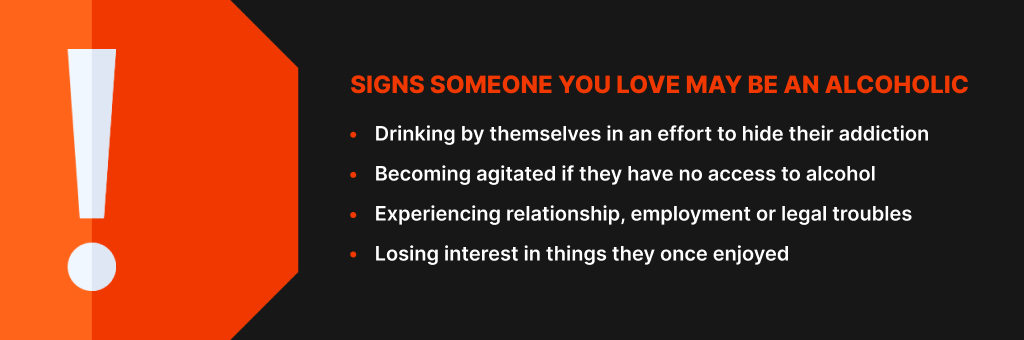
Am I an Alcoholic? 10 Questions to Ask If You Could Be Drinking too Much

Being physically dependent on a substance means a person’s brain and body have come to rely on the drug, and that a person will experience physical withdrawals when cutting back or stopping. Certain drugs are known to be more physically addictive than others, making it more likely that a person will develop a physical dependence (i.e. heroin, cocaine, or meth vs marijuana or alcohol). A study of atomoxetine (80 mg addiction vs dependence po OD), a selective norepinephrine (noradrenaline) reuptake inhibitor (SNRI), randomised 69 opioid and ATS-dependent participants to 16 weeks of treatment, assessing ATS use as the primary outcome [58]. The proportion of ATS-negative UDS was higher in the atomoxetine arm compared with placebo, but achieved only a small effect size, while there was no statistically significant difference in days abstinent.

Another key area that has not been adequately addressed in clinical trials is the issue of comorbid sleep disturbances in patients using AMPH/MA, and the likely impact upon the role of different medications. The findings of an open-label study of modafinil to treat methamphetamine withdrawal symptoms in an inpatient setting [53] indicated possible amelioration of these symptoms. In a small 16-week single-blind trial, modafinil was combined with cognitive behavioural therapy (CBT) for treatment of methamphetamine dependence among HIV+ gay men. Primary outcome measures were self-reported use of drugs per week plus urine toxicology assays. Sixty percent of those who completed the study reduced their methamphetamine use by over 50% [51]. More recently, 80 methamphetamine dependent patients were randomly assigned to modafinil (200 mg day−1) or placebo under double-blind conditions for 10 weeks plus 12 weeks post-treatment follow-up.

Publicado el Deja un comentario

Why Does Alcohol Make You Hot? Sunset Alcohol Flush Support

Add any combination of spices you like for a combined measurement of half a teaspoon. If needed, use an immersion blender to break up any spice clusters. If your mulling session is a spontaneous idea, you may be tempted to simply use what you have in the house. Plenty of homes have a bottle of red which has been taking up counter space for a good while, along with every spice you could possibly need on a shelf.

  • And substances like naltrexone are used to treat people with alcohol use disorder.
  • Mulled wine has a long and storied history, with most European nations having their own version of this hot, spiced, fruity drink.
  • When these toxic byproducts remain in the body, side effects like flushed skin, nausea, vomiting, rapid heart rate, headache, and more can occur.
  • When it’s working extra hard you’re producing a lot more heat than usual.
  • If your clothing or your bedroom temperature causes you to sweat, it’s not considered night sweats.

Medical professionals think that alcohol tricks your brain cells into thinking that you are warm. On another note, if you experience frequent hangovers or drink heavily and frequently, you might have a more serious issue. If you’re struggling to control your drinking, our Banyan rehab locations offer alcohol addiction treatment that offers you the physical and mental care needed to recover why does alcohol make you hot and regain your sobriety. Make up a big pot, and it fills your kitchen with an intoxicating aroma of toasted allspice and cinnamon. This recipe is just sweet enough, balancing the bold fruity wine with mulling spices, citrus, and oak and vanilla notes on the finish. If you experience these symptoms along with regular night sweats, you may be going through alcohol withdrawal.

Why Do I Feel Hot After Drinking Alcohol?

However, as described above, alcohol itself is a known risk factor for hot flashes. Medical professionals are not sure why the results vary so widely in the studies, and more research is likely needed. This chemical reaction in the body does not mean that you are drunk or drank too much. The response means that your body does not have the chemical enzymes to break down alcohol effectively. Therefore, toxic alcohol byproducts stay in your body, making you feel sick. Alcohol use already causes dehydration, which can lead to other hangover symptoms.

  • The real health risks come after prolonged and continued exposure to acetaldehyde and excessive alcohol consumption.
  • Any information published on this website or by this brand is not intended as a substitute for medical advice, and you should not take any action before consulting with a healthcare professional.
  • But the “stress” response also interacts with the reward effects from the dopamine system, so it may very well feel good.
  • If you struggle with alcohol abuse or alcohol use disorder and experience alcohol withdrawal syndrome, or AWS, you may have many uncomfortable symptoms.
  • This system makes and secretes hormones that can contribute to these symptoms.

Alcohol consumption affects your ability to regulate your body temperature and also dilates blood vessels, which contributes to feelings of warmth. In fact, alcohol actually lowers your core body temperature because the rush of blood to the skin’s surface is a means of body cooling. As blood alcohol levels rise in the interim, several different effects of intoxication will https://ecosoberhouse.com/ become more evident. For some, even having one glass of wine or pint of beer can cause flushing in the face, and the more the person drinks, the redder their skin becomes. It’s also useful to note that while you may begin feeling warm when drinking alcohol, this is actually deceiving. In addition, sweating caused by alcohol lowers your body temperature even further.

Get Help For Alcohol Addiction

This system makes and secretes hormones that can contribute to these symptoms. It’s best to go through an alcohol detox with the help of skilled healthcare professionals who can help you manage the uncomfortable symptoms and potential dangers of alcohol withdrawal. However, it’s important to know the signs of alcohol poisoning, especially after an episode of binge drinking. Acetaldehyde is the root cause of an alcohol flush, and it’s also responsible for other negative side effects of alcohol consumption, like nausea, headache, and rapid heartbeat. When you drink alcohol, it’s absorbed into your bloodstream through your stomach and small intestine.

  • While some side effects are common, you may want to talk to your doctor if they become severe or happen frequently.
  • Not all views expressed in American Heart Association News stories reflect the official position of the American Heart Association.
  • So far, doctor’s offices and hospitals across the U.S. have been busy, said Dr. Trish Perl, a professor of internal medicine at UT Southwestern Medical Center.
  • This disturbs your sleep, and can wake you up multiple times, particularly in the second half of the night.
  • We use a pharmacist-formulated blend of Quercetin, Bromelain, Dihydromyricetin, Cysteine, L-Theanine, & B Vitamins to stop alcohol flushing before it can begin.

Duration of symptoms can vary depending on the amount of alcohol a person has consumed, the rate at which their body processes alcohol, and their overall health. Yet ethanol is not always perceived as pleasant; it can be quite bitter. If ethanol is given over time rats show increasing “tasty” responses in their mouth and facial expressions. This suggests that the opioid receptors mediate how much we like alcohol.

Make This Quick Eggnog With Ice Cream

Millions of people around the world deal with an alcohol flushing reaction, or an alcohol intolerance. The most noticeable symptoms of this condition is feeling hot and flushed when you drink alcohol. Of course, the occasional alcoholic beverage shouldn’t be an issue, even for those with alcohol intolerance. The real health risks come after prolonged and continued exposure to acetaldehyde and excessive alcohol consumption. However, it’s important to understand that you’ll be exposing yourself to toxic acetaldehyde when you drink alcohol.